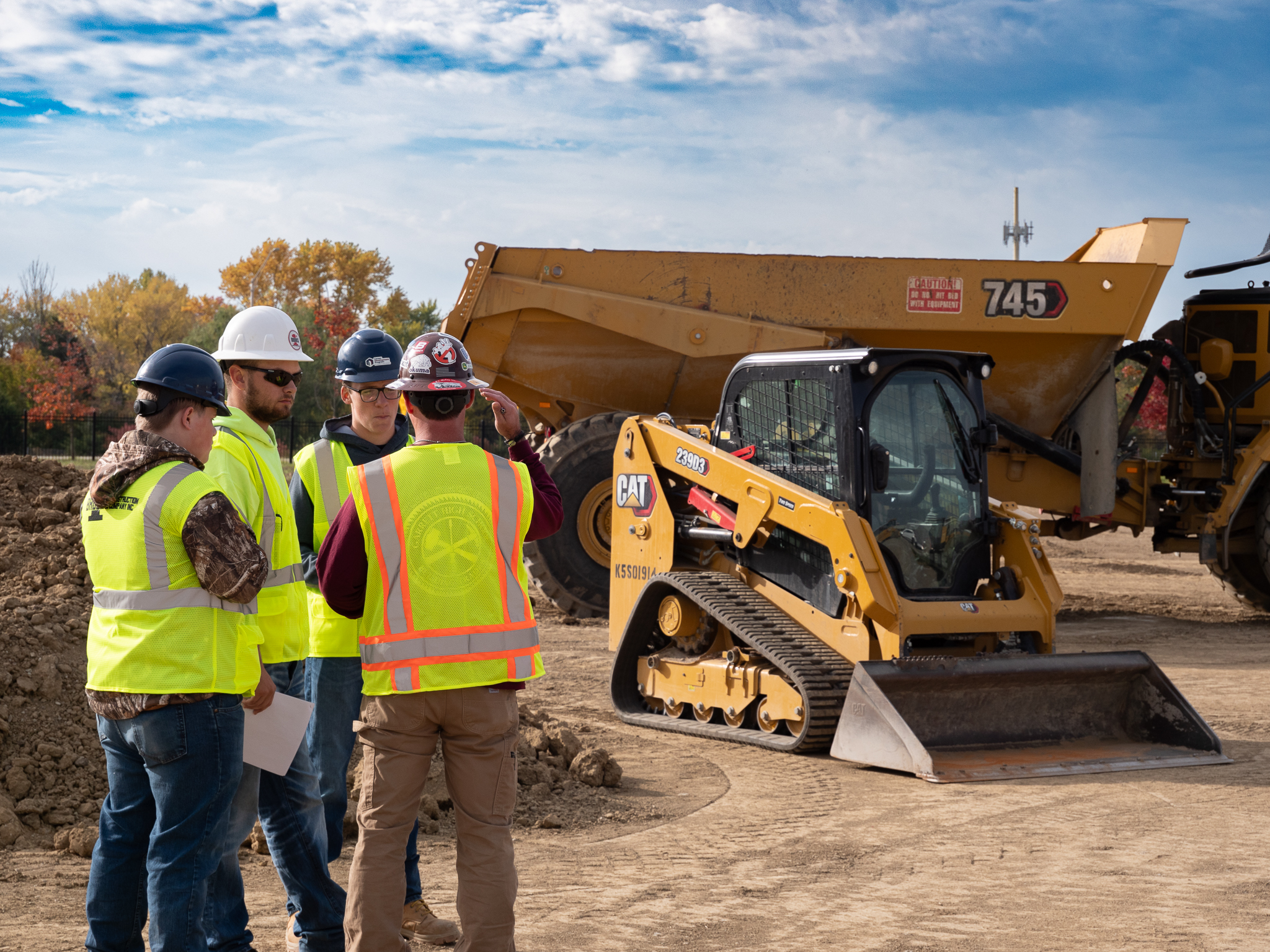
Why Consider Majoring in Construction Management or Engineering?
Before we get into the fine details about if the career is right for you and what it entials, know this.
These degrees offers a pathway to a stable, well-paying career that makes a real difference in the world around you. How cool is that?
Is a Construction Engineering or Management Major Right for You?
If you enjoy problem-solving, working with your hands, or managing large-scale projects, the civil construction industry might hold the career you have been dreaming of.
These majors prepare you to design, build, and oversee essential infrastructure, everything from roads and bridges to water systems and commercial buildings.
You Might Love These Careers If:
✔️ You enjoy working on real-world projects that make a visible impact.
✔️ You like a mix of hands-on work and strategic planning.
✔️ You have strong math, science, or technical skills.
✔️ You want a job that offers long-term stability and career growth.
What Can You Do with a Construction Degree?
A major in construction management or engineering opens doors to roles like construction manager, estimator, and field engineer-positions that shape communities and infrastructure.
• Construction Manager – Oversees large construction projects, ensuring they stay on time and within budget.
• Estimator – Calculates costs for labor, materials, and equipment to plan a project’s budget.
• Field Engineer – Works on-site to manage technical aspects of construction projects.
How to Get Started in Construction with a Degree
1. Choose the Right Program
If you have decided these type of degrees have peaked your interest, lets get into exactly what you should be thinking about when beginning your search.
Think about things like length of time, how close it is to you geographically and more to ensure that you are making the right decision for you.
When looking for a college or trade school, consider:
• Associate vs. Bachelor’s Degree – An associate degree takes about two years and focuses on practical skills, while a bachelor’s degree (four years) includes more project management and engineering concepts.
• Accredited Programs – Look for schools with strong ties to the construction industry, offering internships and hands-on learning.
• Trade Schools & Apprenticeships – Some students skip traditional college and learn through apprenticeship programs, gaining experience while earning a paycheck.
2. Get Hands-On Experience
After choosing the right school/program getting involved is a massive part of your future success in this industry.
Nothing beats real-world training. While in school, take advantage of:
• Internships – Work with construction firms or public infrastructure projects.
• Part-Time Jobs – Entry-level roles in construction help you build skills and industry connections.
• Campus Organizations – Many schools have construction or engineering clubs that provide networking opportunities.
3. Learn the Industry’s Technology
Now here is the fun part! It is time to start specifying what you want to do with your degree and seeing all the amazing things you can do!
The construction industry is evolving, and today’s professionals use tools like:
• Building Information Modeling (BIM) – A 3D modeling system for planning construction projects.
• Drones & GPS Surveying – Used to assess sites and improve project accuracy.
• Project Management Software – Programs like Procore, Primavera P6, and AutoCAD help streamline workflow.
4. Consider Certifications (Not Required but a Bonus!)
While a degree is the main requirement, certain certifications can boost your resume:
• Certified Construction Manager (CCM) – Recognized for leadership in construction management.
• OSHA Safety Certifications – Demonstrates knowledge of workplace safety standards.
• LEED Certification – Specializes in sustainable building practices.
What to Expect from a Career in Civil Construction
1. Job Security & High Demand
The U.S. needs skilled construction professionals to maintain and expand its infrastructure. Civil construction careers offer steady job growth and opportunities across the country.
2. Competitive Salaries
Your earnings depend on your role and experience, but here’s a general idea:
• Construction Manager: $80,000 – $120,000
• Estimator: $65,000 – $100,000
• Field Engineer: $60,000 – $90,000
3. Opportunities for Growth
With experience, you can move into senior roles such as project director, executive management, or even start your own construction firm.
4. A Hands-On, Impactful Career
A degree in civil construction engineering or management leads to a career where you see the results of your work, whether it’s a new highway, a sports stadium, or a city skyline.
If you’re ready to start your journey, explore schools with strong construction programs and take the first step toward building your future today!