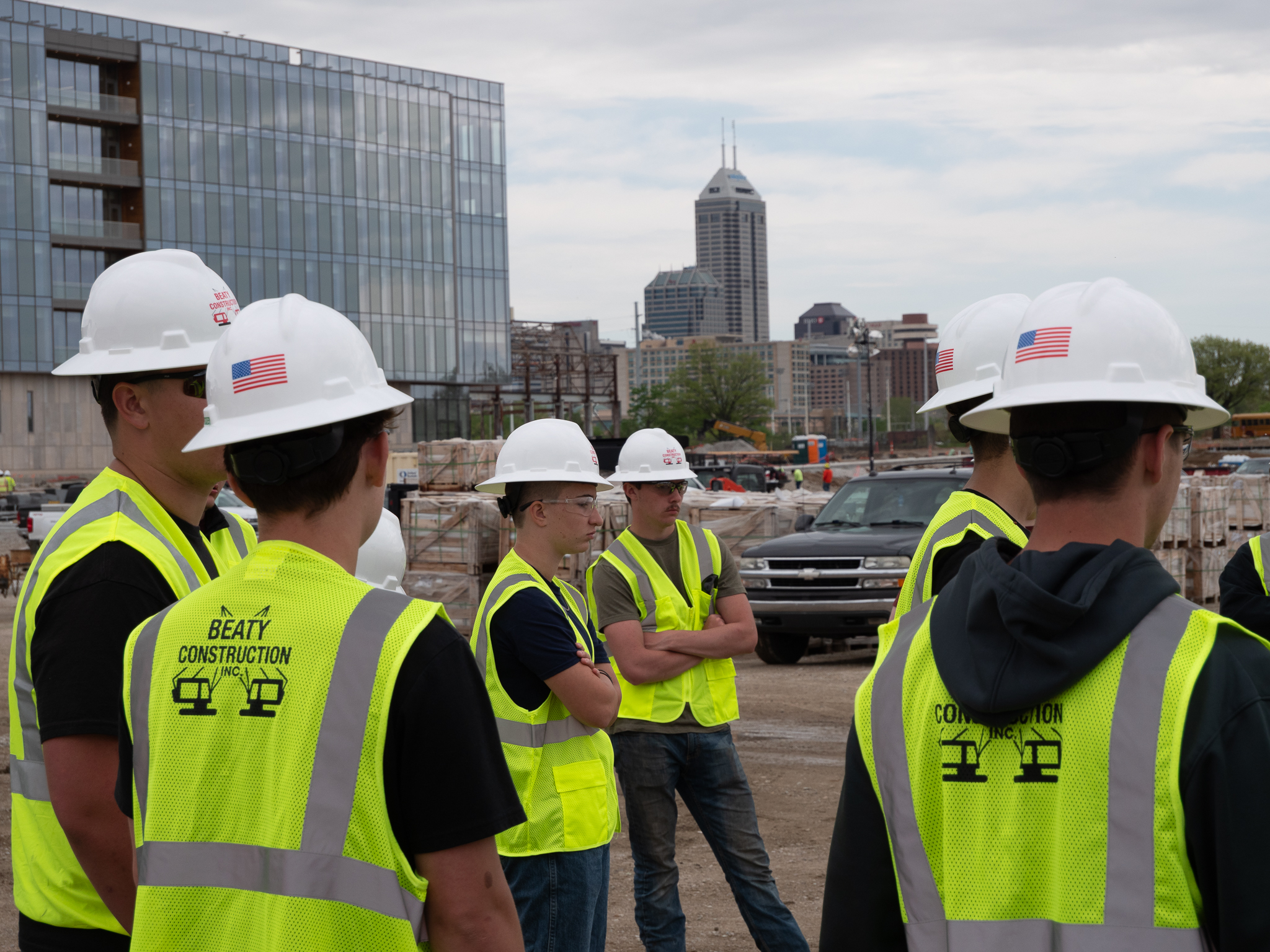
If you’re looking to start a career in construction, especially if you have no previous industry experience, becoming a construction laborer is one of the best places to begin.
But what is a construction laborer? Is it right for you? Let’s break down what they are, what they do, and if it is right for you.
What are Construction Laborers?
Laborers on the construction site are the boots on the gorund, getting things done. From prepping the ground, do assisting operators and everything in between.
They keep crews moving, support operators and foremen, and learn the real day-to-day skills that lay the foundation for long-term growth in the industry.
This guide breaks down everything you need to know: what laborers do, who’s a good fit, what your day looks like, and exactly how to get started.
Quick Guide: How to Start a Career as a Construction Laborer
The rest of the blog dives into each of these in detail, but here is the basic overview on how to get started.
Step 1: Understand the Role
Learn what laborers do and why it’s the most in-demand job in civil construction.
Step 2: See If the Role Matches You
Laborer work is physical, outdoors, fast-paced, and team-based, which can be perfect for certain personalities and skill sets.
Step 3: Explore Daily Duties
Get a realistic look at what your day will look like from start to finish.
Step 4: Research Companies Near You
Identify contractors in your area and create a list of potential employers.
Step 5: Prepare and Reach Out
Use our cold outreach template to introduce yourself, even if jobs aren’t posted.
Step 6: Get Basic Safety Training (Optional but Helpful)
Certifications like OSHA 10 or flagger training can help you stand out.
Step 7: Apply, Show Up, and Learn
This is an industry that values reliability, work ethic, and growth.
Step 1: What a Construction Laborer Actually Does
Construction laborers support every phase of a civil construction project. Their work is hands-on and varies day by day depending on the jobsite.
Laborers might:
- Set up and clean up worksites
- Assist equipment operators
- Handle shovels, compactors, and basic tools
- Flag traffic and support safety operations
- Move materials and help prepare the site
- Support paving operations
- Learn to read grades, signals, and jobsite layouts
Laborers are the first to arrive, the last to leave, and the people who make sure everything in the middle runs smoothly.
Step 2: Who Is a Laborer Career Good For?
A laborer role is a great fit if you:
- Like working with your hands
- Enjoy being outdoors
- Want a job that keeps you active
- Prefer learning by doing rather than sitting in a classroom
- Communicate well and can take direction
- Want a clear pathway to higher-paying roles like operator, crew lead, or foreman
You do not need experience to start.
Also do not need advanced education.
What you do need to be reliable, safe, and eager to learn.
This role is especially great for people transitioning from:
- Retail
- Warehousing
- Manufacturing
- Landscaping
- Food service
- Any job involving teamwork or physical activity
If you want a stable, respected, high-demand career laborer is the perfect starting point.
Step 3: Why Start as a Laborer?
Because it’s the foundation of the industry.
Keep in mind that this is NOT every jobsite and every crew! But this is a typical day for the civil construction industry in the Midwest.
You can’t jump into project management or heavy equipment operation without understanding how a crew works. Laborers learn:
- How the jobsite runs
- How to read plans and instructions
- How operators and foremen communicate
- Real-world safety practices
- The rhythm of a project
Almost every operator, crew lead, and superintendent started as a laborer.
Step 4: A Day in the Life of a Laborer
5:30–6:30 AM: Arrive on Site
Review plans for the day, stretch, gather PPE, and get assigned tasks.
Morning: Set Up & Early Tasks
Laborers help prepare the site: barriers, tools, materials, and supporting operators as larger equipment begins work.
Midday: Core Crew Work
Depending on the project, you may be:
- Helping set pipe
- Shoveling or grading
- Placing concrete
- Supporting asphalt paving
- Digging or backfilling
- Hauling materials
- Checking elevations and layout
Afternoon: Support Final Stages
Clean up, assist operators, prepare for the next day’s schedule.
End-of-Day: Tool Check and Safety Review
Tools are returned to place, debris is cleared, and crews discuss tomorrow’s plan.
Step 5: Research Companies Near You
Start by identifying contractors in your area:
- Search terms like “road contractor,” “civil contractor,” “paving,“ or “underground utilities”
- Check association directories like Indiana Constructors, Inc.
- Look at recent road projects in your area and see which companies are listed on the signs
Create a simple list with:
- Company name
- Location
- Type of work
- Contact information
This gives you a starting point for outreach.
Step 6: Reach Out: Even If You Have No Experience
Many companies love hiring motivated new laborers.
Here’s a proven email you can use:
Subject: Looking to Start as a Laborer with [Company Name]
Hi [Hiring Manager’s Name],
My name is [Your Name], and I’m interested in starting a career as a construction laborer. I’m new to the industry, but I’m reliable, hardworking, and eager to learn. I’m especially interested in the work your team does with [paving/pipe/bridges/etc.] and would love the opportunity to join your crew.
Do you have any entry-level laborer openings or opportunities to apply?
I’m ready to get started and grow with the company.
Thank you for your time,
[Your Name]
[Phone Number]
Step 7: Get Basic Training (If Available)
Not required, but helpful:
- OSHA 10
- Flagger certification
- First Aid/CPR
- CDL, if you plan to support hauling or equipment transport
Most laborers learn on the job, so don’t let a lack of training stop you.
Step 8: Apply and Prepare for Your First Day
Contractors want:
- Dependability
- Strong work ethic
- Good attitude
- Willingness to follow safety rules
- SHOW UP ON TIME EVERYDAY
If you show up ready to learn, they’ll teach.
Let’s Get Ready
Contractors want three things from a new laborer:
dependability, a good attitude, and being safe.
Now, some companies may have a specific list of things to bring or provide you with them. But here are a few things we would recommend to anyone on their first day.
Bring on Day 1:
- Work boots
- Gloves
- Hi-vis vest or shirt
- Weather-appropriate clothing
- Water and snacks
- A notebook (optional but helpful for new terminology)
Expect to have to learn quickly. You’ll get instructions from a supervisor, observe experienced crew members, and pick up new skills day by day.
Step 9: How to Grow After You Get Started
The laborer role is your launching point. Once you understand how jobsites work, the opportunities start multiplying.
Common paths from laborer include:
- Equipment Operator – skid steer, dozer, excavator, paver, roller
- Crew Lead – leading small teams
- Pipe Crew Specialist – building underground utilities
- Concrete Finisher
- Asphalt Crew Specialist
- Survey Technician
- Foreman or Superintendent
- Project Management or Estimating (with experience, training, or education)
Laborers who show effort and consistency often move up quickly — sometimes in under a year.
The Reality: What’s Hard About Being a Laborer?
We want jobseekers to know the truth — not the Instagram version of construction.
Here are the real challenges:
- Weather: hot summers, cold mornings, rain, mud
- Physical work: shovels, lifting, moving materials
- Early mornings: many crews start before 7 AM
- Fast-paced environment: safety and awareness matter
- Longer days during peak season: more hours, more pay
But many laborers love this part of it. They take pride in working outside, staying active, and accomplishing something real every day.
The Reward: Why People Stay in This Career
What keeps laborers, and future operators and leaders, in construction is what a lot of jobs can’t offer:
- High demand and job security
- Great pay and opportunities for overtime
- Benefits, retirement, and steady work
- Work you can be proud of
- Clear paths to higher-paying roles
- A strong team environment
Your Next Step
Whether you’re 20, 30, or 40 and looking for a fresh start, beginning as a laborer gives you the foundation, the skills, and the career direction you need to grow in the civil construction industry.
It’s honest work. Good work. Essential work.
And it’s one of the fastest ways to build a long-term, high-earning career.